
Family-Style Dining Terms Everyone Should Know
By Fahim • 3/16/2026
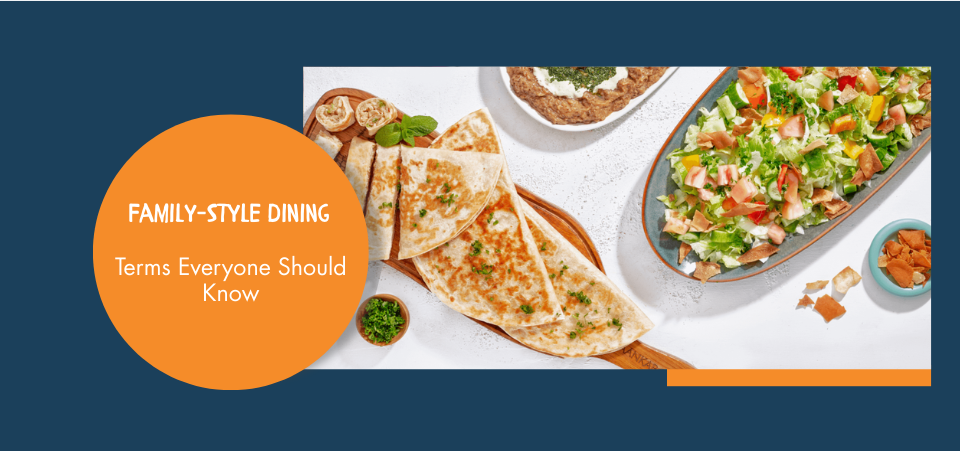
What is family-style dining? Discover shared platters, group dining terms, menu portions, and how family-style meals work in Toronto at Naan Kabob.
Introduction
It is noon in downtown Toronto. People are stepping out of their offices, and everyone is looking for a lunch that is quick, warm, and easy to share. Sometimes it is a team lunch with colleagues debating about what to order. Other times, it is a casual weekend dinner with family gathered around the table. Either way, putting the food in the middle works every time. What is family-style dining? This style of dining fits naturally into Toronto’s lifestyle, as it is flexible. Kabobs, rice, and warm naan fit onto the table as everyone is ready to enjoy them together.
Understanding a few common group dining terms and how menu portions work can make your ordering for the table much simpler. Whether you are planning a group lunch or a family meal, if you know what a sharing-style meal is, it will help you to get more variety, better balance, and a smoother experience for everyone.
What is Family-Style Dining in Toronto?
It means food is placed in the middle of the table, and everyone shares from the same dishes instead of ordering separate plates. It is a kind of meal where you pass the plates among each other and accommodate different tastes. In Toronto, this way of eating fits naturally into everyday life. Whether for team lunches, family dinners, or casual get-togethers, people want to keep things simple and social. Instead of spending most of the time deciding what you want to eat, you end up choosing shared platters. It makes meals feel more relaxed and takes the pressure off. Menu portions also make decisions easier.
Common Group Dining Terms You Should Know
When you’re ordering food for more than one person, especially in a city like Toronto, a few simple terms come up again and again. Knowing what these group dining terms mean will make your ordering for the table smoother and more comfortable.
|
Terms |
Description |
|
Shared platters |
Shared platters are meant for everyone to share. They are placed in the center so people can take what they want and pass them around. |
|
Menu portions |
This means how much food comes in one dish. Some items are meant for one person, while others are meant for more people. Knowing this helps you order the right amount for the group. |
|
Communal dining |
Another term for eating together from shared dishes. Everyone eats from the same dishes. It is less about individual plates and more about eating together. |
|
Pass-the-plate service |
Dishes are passed around the table so everyone can serve themselves. It is an informal way of eating that is enjoyed in family get-togethers and in family dinners the most. |
|
Platter rotation |
This means moving the dishes around the table so everyone can reach everything. It is useful at larger tables and makes sure no one misses out on the dishes placed a little farther away. |
|
Mixed order |
Choosing from a variety of different dishes instead of repeating the same one, so everyone gets to try more than one flavor. Everyone can get their new favorites with this. |
|
Table-style ordering |
Table-style ordering means ordering for the whole table rather than per person. The group chooses a few dishes together, and everyone shares from them rather than ordering separate plates. |
|
Large-Format Dishes |
Large-format dishes are bigger-than-usual portions that are designed for large groups. With this, everyone can try a bit of everything without ordering multiple separate plates. |
|
Per-Person Pricing |
Per-person pricing means the meal is charged based on how many people are eating, not by individual dishes. This is used for large groups. It is easier to plan the total cost while dining. |
|
Pre-ordering |
It means choosing food before you arrive or before the group sits down to eat. It is common for office lunches, team meetings, and larger group meals where time is limited and schedules are tight. |
Exploring Shared Platters: The Heart of Family-Style Dining
At the center of every family-style meal is the shared platter. It is not just about serving food; it’s about creating a moment where everyone at the table sits together, shares the food, and spends time together. Sharing-style meals are less common in Toronto these days, but when it happens, people love spending time by passing the dishes to each other and enjoying it.
They encourage conversation, allow everyone to order their favorites, and make the meal feel more relaxed and effortless. Shared platters come in many forms, such as grilled kabobs and rice dishes, fresh salads, and warm flatbreads. This is the reason shared platters are the true heart of group-style meals.
How Menu Portions Work Well in Family-Style Dining in Toronto
-
They are designed for sharing, as meals are in portions that can be enjoyed by everyone rather than ordered individually.
-
It’s flexible depending on group size. Some dishes are designed for individual serving and some for groups.
-
It encourages variety, as shared portions allow everyone to try multiple dishes without committing to just one plate.
-
It simplifies ordering, as by knowing portion sizes you can plan your lunch accordingly. This will reduce wastage and over-ordering.
-
Properly sized portions keep the focus on conversation, sharing, and enjoying the food rather than worrying about individual servings.
Afghan Flavors Aligning with Menu Portions on the Family Table
Afghan food fits into the way of eating because it is all about sharing. At Naan Kabob, this style of eating feels especially easy, whether it’s a team lunch or a family dinner. Steam rises gently from the rice, the grilled kabobs come in hot and smoky, and warm naan is torn and passed from hand to hand. Fresh salads and lighter sides balance out the meal. The table fills with color, warmth, and movement, and suddenly the meal feels less like ordering food and more like sharing a moment together.
How to Enjoy Group-Style Meals In Toronto’s Busy Lifestyle
-
Plan ahead
-
Order shared platters
-
Balance mains and sides
-
Keep ordering simple
-
Pick fast-casual spots
-
Mix proteins and veggies
-
Go for variety
-
Skip complicated customizations
-
Keep the table flexible
-
Choose easy-to-share dishes
Sharing-Style Meals During Seasons
In Toronto, the way we eat changes with the seasons. In winter, families prefer warmth, comfort, and less thinking about dishes that will make long workdays and cold commutes easier. Spring and summer are meant for lighter and fresher plates that are easier to share. especially for team lunches and casual gatherings. Fall brings everyone back into routine, where shared platters adjust with back-to-office days and family dinners. Regardless of the season, group-style meals always remain popular in a city like Toronto.
Family-Style Dining Made Easy at Naan Kabob
At Naan Kabob, group-style meals feel effortless because the menu is built around food that is meant to be shared. From grilled kabobs and rice to fresh salads and warm naan, everything can be placed in the center of the table and enjoyed while sitting together. Our welcoming atmosphere and homestyle food will make your sharing-style meals experience memorable. With our menu portions, shared platters, and group dining terms, you will feel at ease while ordering. From your celebrations to quick breaks, we are a healthy and wholesome choice one can make while living in Toronto.
Final Thoughts
Eating from the middle of the table is less about the format and more about how people come together over food. This way of eating is flexible, welcoming, and simple. There’s no confusion about what to order and no chaos about where to eat. Everything feels systematic and satisfying when menu portions and shared platters come into play.
Next time you are in Toronto, try a family-style meal at Naan Kabob and taste the joy of sharing!
FAQs about Family-Style Dining Terms Everyone Should Know
1. How is family‑style dining different from buffet or plated service?
A buffet is where you have to serve yourself, and plated service is where you are ordering all your own. This way of eating means everyone discusses what to order, and you get multiple options to eat instead of one individual meal.
2. What are the benefits of eating family‑style in 2026?
There are various benefits, like it encourages conversations and connections among children. It helps them learn about traditions and culture.
3. Is family‑style dining good for large groups?
Yes, it is way easier than ordering individually for a large group. With many dishes, you can enjoy your meal with different flavors and textures.