
Why Gen Z Is Done With "Ethnic Food" — And What It Means for the Future of Restaurants
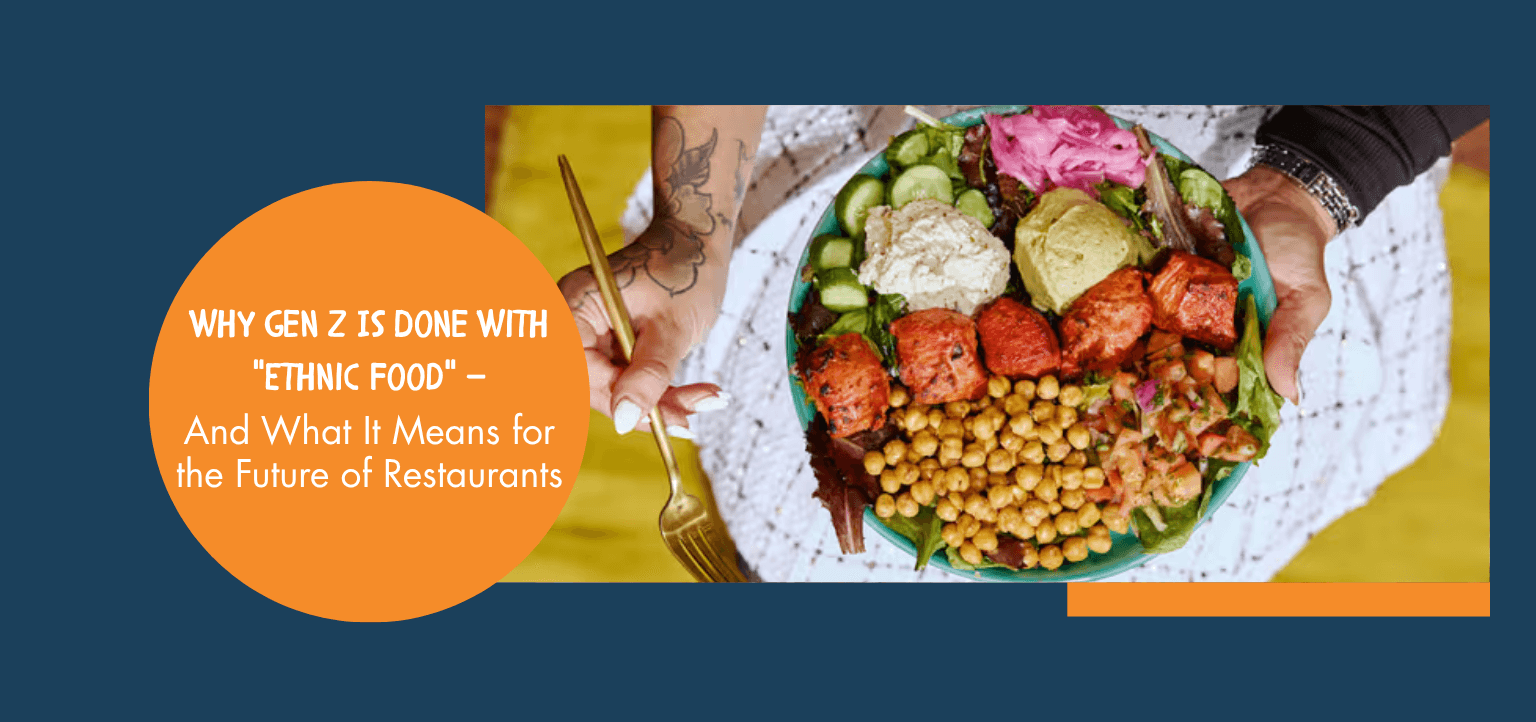
Discover why Gen Z is moving beyond the term "ethnic food" and how global cuisine, fusion food, and multicultural dining are shaping restaurants.
Introduction
Step into today’s Toronto culinary landscape, and you’ll find an intriguing trend among the younger demographic – no longer seeking “ethnic food” but instead, just good food. To Generation Z, Afghan kabobs, Vietnamese noodle soups, and Jamaican meat patties are not special treats reserved for only certain times – these are everyday foods.
This is a generation that had jerk chicken as a school potluck, pho during cold winter nights, and kabobs while traveling on the subway. And they are not simply going for the normal. They are also slowly discontinuing the use of a term that never perfectly matched their environment in the first place - ethnic food.
The dining patterns of Gen Z are changing the entire concept of food, not just of what Toronto eats, but also of how restaurants are prompted to think, serve, and develop. That is the reason why it is important, and it’s changing what ends up on the plates.
How Ethnic Food Gen Z Trends Are Reshaping Modern Dining
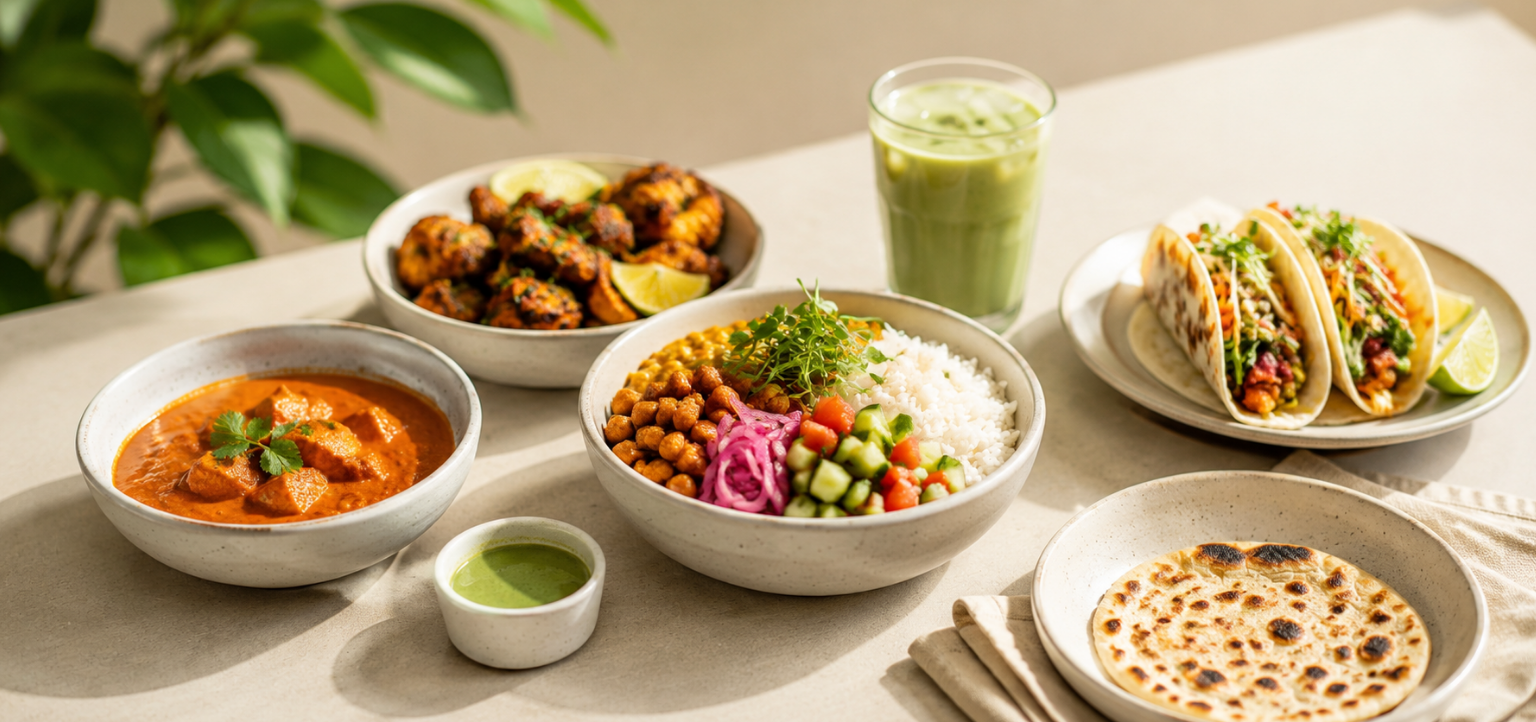
The term "ethnic food" has been (and still is) the one-stop shop for any meal that wasn't Western European. It defined the food-court signage, restaurant categories, and even the marketing of menus for years.
But for Gen Z, the most worldly, culture-reaching, globally mobile generation to ever use a fork, it's not just archaic. What we're seeing here is not attempts at novelty, but rather attempts at normalcy.
Their way of looking at global cuisine isn’t really about novelty, not anymore. For this group of newcomers, Afghan kabobs, Korean bibimbap, and Somali rice and Lebanese lavash are not "exotic". They're Tuesday lunch. And this change in mindset is affecting the future of restaurants in the GTA like never before.
10 Reasons Why Doesn’t Like the Term “Ethnic Food.”
The drivers behind this change are no accident. They are deeply linked to the upbringing of Gen Z, the way they communicate with each other, and what they value most when dining.
1. Gen Z Grew Up With Global Cuisine Everywhere
For Gen Zs, who were growing up in Toronto's neighbourhoods, Scarborough, Brampton, North York, and Mississauga, for them, world cuisine was not something to be discovered. It was the default setting. Afghan kabobs, Jamaican patties, and Vietnamese banh mi all of these coexisted long before the term "global flavours" was used as a marketing tool.
2. Social Media Turned International Foods Into Everyday Foods
In fact, before Gen Z was even able to book a flight, they had seen the making of hand-pulled noodles from Xi'an, wood-fired mantu from Kabul, and birria tacos from East LA in the videos on their social media feeds. Social media shortened the distance between cultures, making multicultural food feel familiar rather than exotic.
3. "Ethnic Food" Seems Too General for a Multicultural Generation
When you group Afghan, Ethiopian, Peruvian, and Thai cuisines all together and call them ethnic food, you are basically telling a generation that really knows these cultures how limiting such a label can be. Gen Z is quite aware of the details. They want to be told the exact region, the method, the background, not just the type.
4. Multicultural Food Is An Expression of Today's Identity
On top of all that, for many young people in Toronto from the Gen Z group, even a person's identity can be complex - second-generation Canadians, mixed families, immigrants, and all the rest. Their dining habits not only show a desire to try new things, but they also reveal themselves. It is not an adventure to consume Afghan rice or Lebanese flatbread for many; it is simply coming back.
5. Fusion Food Isn't Just a Trend, It's the Way of Life
Gen Z was not waiting for a "fusion restaurant" to merge the foods that they love. They naturally make a bowl with grilled protein for lunch, a wrap of naan for a quick bite, and a shared plate at a table where six different cultures are represented. Fusion food is not a new idea to this generation. It is simply the way they eat.
6. Authenticity is More Important Than Packaging
This group cares more about the authenticity of the taste that their food contains. The way they do not pay attention to labeling and packaging, they care more about what goes into the food and how the food is prepared. This is the reason why freshly grilled proteins, customizable bowls, and cleanliness in preparation are more important than branding and trending foods.
7. Food Has Turned into a Cultural Affair
To Generation Z, dining is more than just gathering around the table and having meals together; it is about connecting through sharing food. This generation uses food to connect with their culture, their heritage, and themselves at the same time. The Afghan meal, delivered in a modern way with an inviting place that creates such an experience, but without realizing its significance.
8. Restaurants Are Building Borderless Menus
The future of restaurants, at least the ones that people are loving right now across Toronto, is serving multiple cuisines, which is a reflection of the city itself. Menus that mix global cuisines prioritize fresh ingredients and make world cuisine accessible for the people who love to explore different flavours in one place.
9. The Future of Restaurants Is Cultural Collaboration
In today's times, restaurants are not just serving food from one tradition; they are creating spaces where different food cultures feel equally valued and visible. In a city as diverse as Toronto, that kind of approach does not just make business sense alone; it makes cultural sense too.
10. How Gen Z is Choosing Restaurants Differently
At the core of every shift in Gen Z's dining habits is a simple desire: good food, made honestly, without the need for a label. They want world cuisine that respects its roots while fitting naturally into a busy Toronto life.
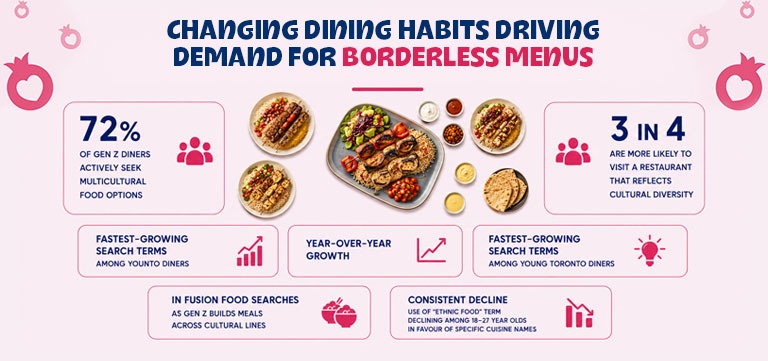
Changing Dining Habits Are Driving Demand for Borderless Menus
How Naan Kabob Reflects the Rise of World Cuisine
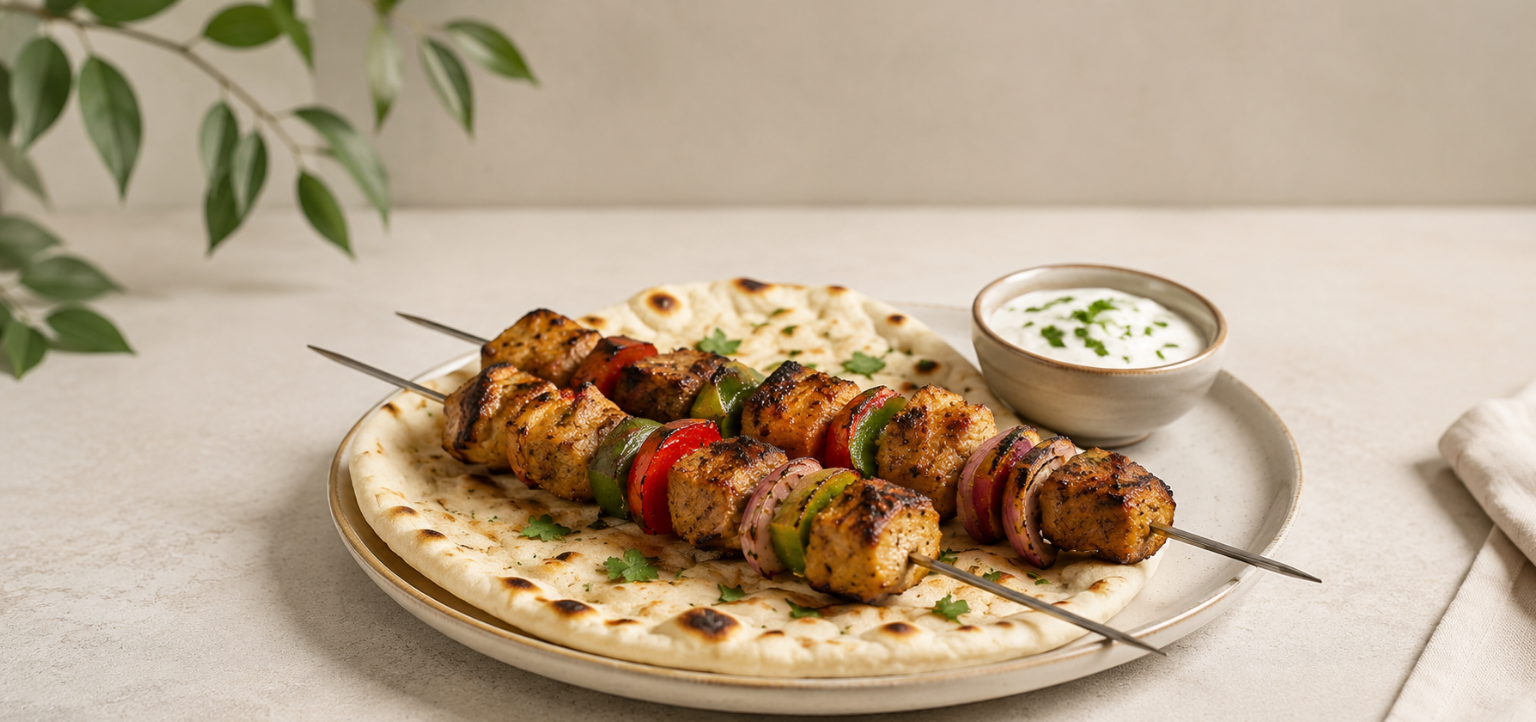
Naan Kabob did not set out to be a trend; it set out to be a table where Afghan flavours could be part of Toronto's everyday food conversation.
As Gen Z food trends push the city toward borderless menus and multicultural food experiences, Naan Kabob's provides fresh grilling, made-to-order bowls, naan baked in-house, and proteins marinated with care that speak directly to what this generation needs.
There is no need to be familiar with Afghan food before you walk in. Our menu offers tender kabobs, balanced rice dishes, fresh salads, and warm flatbreads that make world cuisine approachable because great food does not need any explanation.
For Toronto office workers who are looking for a lunch that holds through the afternoon, for families wanting something everyone at the table will eat, for catering planners who need something that reflects the city's diversity, Naan Kabob fits without forcing.
Explore the menu and find what works for your next lunch, your next team order, or your next gathering. Visit your nearest Naan Kabob location in Toronto or the GTA.
Wrapping Up
With the most asked question: What to eat? Gen Z cares more about the craft, the flavour, the cultural specificity, and what is on the plate.
Toronto's dining habits are shifting toward a future where world cuisine is simply cuisine, where multicultural food is the norm that outshines every delicacy, and where the future of restaurants belongs to kitchens that reflect the reality of the cities they serve.
Naan Kabob has always been part of that reality. Come find your table.
Ready to taste what borderless dining looks like? Explore Naan Kabob's full menu, order for your team, or enquire about catering for your next Toronto event.
FAQs
1. What is meant by borderless cuisine?
Borderless cuisine refers to food that does not belong to a single geographic origin. It is a way of making menus that are made from the world's cuisines. It respects cultural roots and makes globally inspired food a part of everyday dining. For Gen Z, borderless eating is about how they grew up.
2. What are Gen Z food trends in 2026?
The fact is, Gen Z is going for fresh, globally inspired dishes made with real ingredients, bold flavors, and a higher level of transparency.
3. How will world cuisine shape the future of restaurants?
World cuisine is going to greatly influence future restaurants by altering the diversity of dishes through various flavors, a fusion of different cultures, and food experiences that represent contemporary societies.