
Afghan vs Pakistani Cuisine — A Guide for Toronto Diners
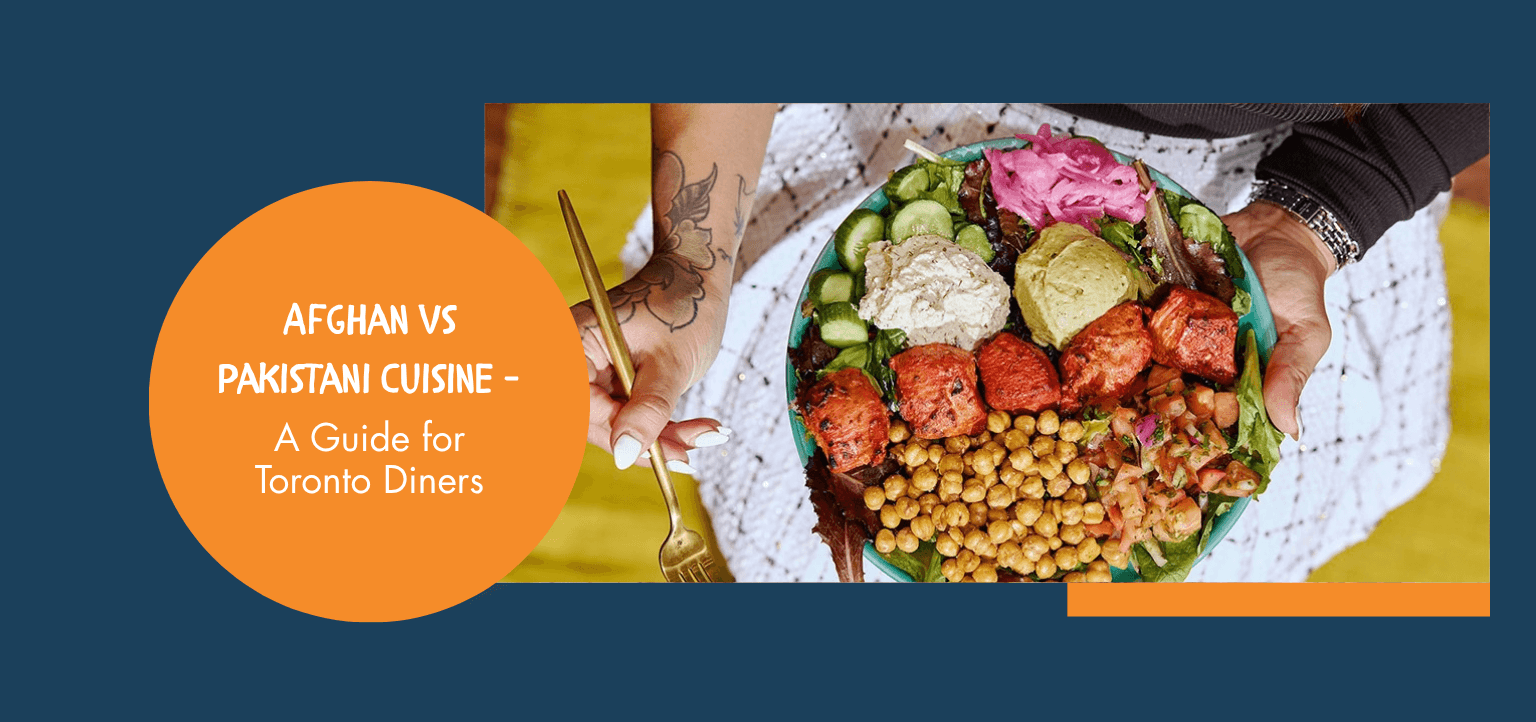
Pakistani or Afghan cuisine in Toronto? Compare common foods, spices, kababs, rice, naan, and flavors, and then learn more about halal Afghan cuisine at Naan Kabob.
Quick Bites
-
Afghan and Pakistani cuisines share similar influences, ingredients, and dishes, but are not identical. Afghan cuisine often emphasizes the natural taste of the meat, rice, herbs, dried fruits, and spices.
-
Pakistani cuisine includes numerous regional traditions and may be distinguished by the presence of complex dishes containing layers of spices, tomatoes, ginger, garlic, chilies, and cooking base.
-
Mantu is one of those dishes that demonstrate the culinary similarities between Afghan and Pakistani cuisines; indeed, mantu is a well-known dish in Afghanistan, and mantu may be found also in some regions of Pakistan, namely in the territory of Pashtuns with Afghan tradition.
-
The easiest way to distinguish Afghan cuisine from Pakistani cuisine in Toronto is to compare the entire plate.
There is a great deal of commonality between Afghan food and Pakistani food that could make it difficult for some diners from Toronto to distinguish between the two types of food initially. Both types of cuisine involve foods like kabobs, naan, and rice.
Both cuisines originated along similar ancient trading routes. Both feature dishes such as kabob, naan, and rice that could easily be related to each other. However, when you put Afghan qabuli rice against Pakistani biryani, you are witnessing entirely different culinary traditions, the former being mild and warm and the latter being hot and spicy.
In this guide, we will help you figure out what sets Afghan and Pakistani cuisines apart. We will discuss where they are similar, where they differ, and which dishes to try if you do not wish to confuse the two. This guide is for halal-conscious festival lovers and people bored of seeing similar menus everywhere.
What is the Difference Between Afghan and Pakistani Cuisine
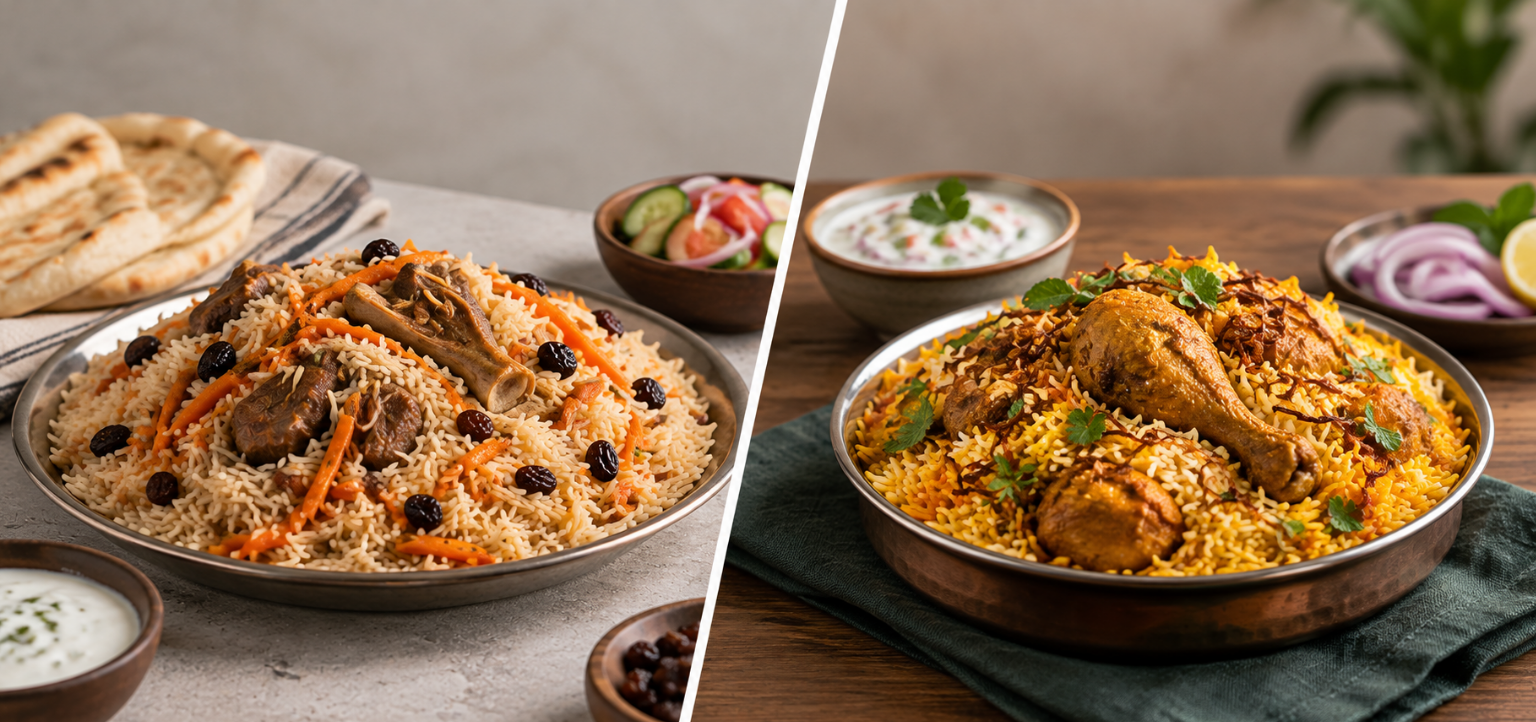
The cuisine of Afghanistan is more moderate, uses dry spices, and includes dried fruits and nuts as ingredients in the preparation of savory dishes. The food of Pakistan is spicy, tomato-based, and relies on layering masala.
Both cuisines developed along the same trade routes in Central and South Asia; therefore, they use the same ingredients: rice, lamb, chicken, naan, but produce totally different results at the end.
-
Afghan food: delicate spicing, grilling, rice with raisins/carrots
-
Pakistani food: strong spicing, curries, layered biryani
The difference would be noticed by someone who eats in a Toronto restaurant, because Afghan food would be aromatic, balancing around grilled meat, rice, naan, herbs, and dried fruits, and Pakistani food would contain strong spices, chili, tomato, ginger, garlic, or rich gravies.
But there are lots of similarities as well.
This is the reason why it becomes confusing.
Why do Afghan and Pakistani Cuisines Share So Many Dishes?
They share meals since both cultures are on the same trade and migration routes between Central Asia, Persia, and South Asia.
Kabob, naan, and rice dishes were traded along those routes for many centuries, and each culture adjusted these dishes with its spices and cooking style, which is why the basic dish is recognizable, but the meal is not.
-
Shared: Kabob, naan, rice dishes, dumplings, yogurt dishes
-
Diverged: Spice mixes, cooking depth, meat preparations
|
Shared Food |
Afghan Approach |
Pakistani Variations |
|
Kabob/Kebab |
Grilled or skewered meat with a fragrant spice mix |
Various kinds like seekh, chapli, tikka, and local kabobs. |
|
Mantu/Manto |
Steamed meat dumplings with yogurt and sauce |
These related dumpling customs are most prevalent in regions with close associations with Pashtun and Afghan culture. |
|
Naan |
Bread baked fresh to complement roasted meats and stews |
Common type of bread with various local versions |
|
Rice |
Qabuli/Qabli Rice and other varieties of rice |
Biryani, Pulao, and many other rice dishes |
|
Yogurt |
Sauces and cool condiments |
Raita and other yogurt-based sauces |
|
Chaplee Kabob |
Associated mainly with Pashtun/Afghan cuisine of the east |
Has a close connection to Peshawar and Khyber Pakhtunkhwa |
How are Afghan and Pakistani Flavors Different
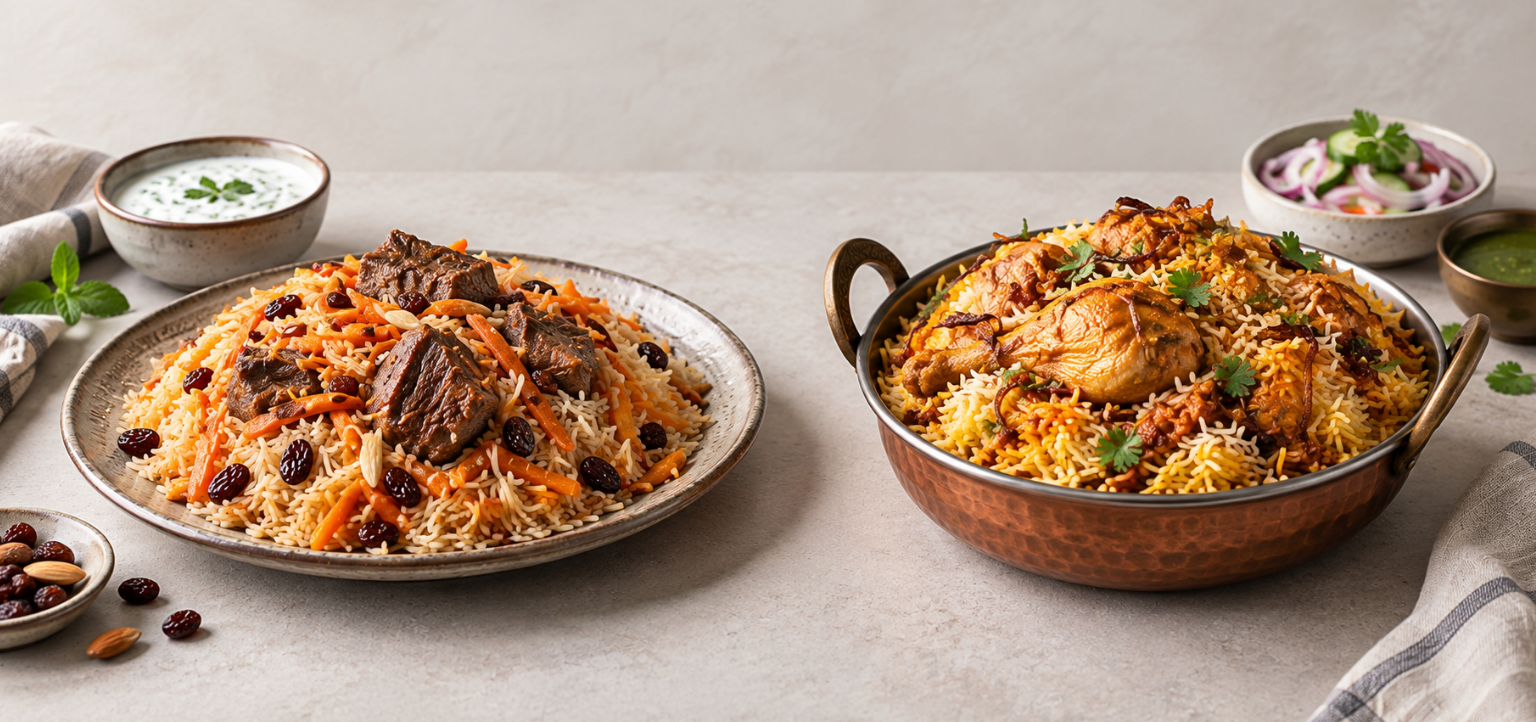
Cumin, coriander, and dried fruits are the ingredients that provide the spicy nature of Afghan cuisine, whereas Pakistani cuisine depends on layered masala – chillies, garam masala, and tomato-based gravies.
From our experience, when dining out in Toronto and the way customers place their orders, first-timers tend to think that Afghan food will taste the same as Pakistani food since the names of the dishes are similar. That’s not the case, since the Afghan kabob is smokier and less hot than the Pakistani dishes.
|
Element |
Afghan |
Pakistani |
|
Spice level |
Mild to medium |
Medium to hot |
|
Key spices |
Cumin, coriander, dried mint |
Garam masala, chilli, turmeric |
|
Rice style |
Qabli rice |
Biryani |
|
Dumplings and snacks |
Mantu, bolanee |
Samosas, pakoras |
|
Bread |
Afghan naan |
Roti, paratha, naan |
What Should You Order to Taste the Difference?
Order mantu from an Afghan restaurant and curry-based dishes from a Pakistani restaurant; just that one item will do it.
Recommended items to try:
-
Mantu: Dumplings from Afghanistan, served with yogurt and mild meat sauce
-
Qabli rice: Pulao dish from Afghanistan featuring lamb, raisins, and carrot shreds
-
Seekh or chaplee kabobs: Grilled items typical of both cultures but prepared differently
-
Chicken karahi or biryani: Pakistani dishes based on tomatoes, chilies, and spice layers
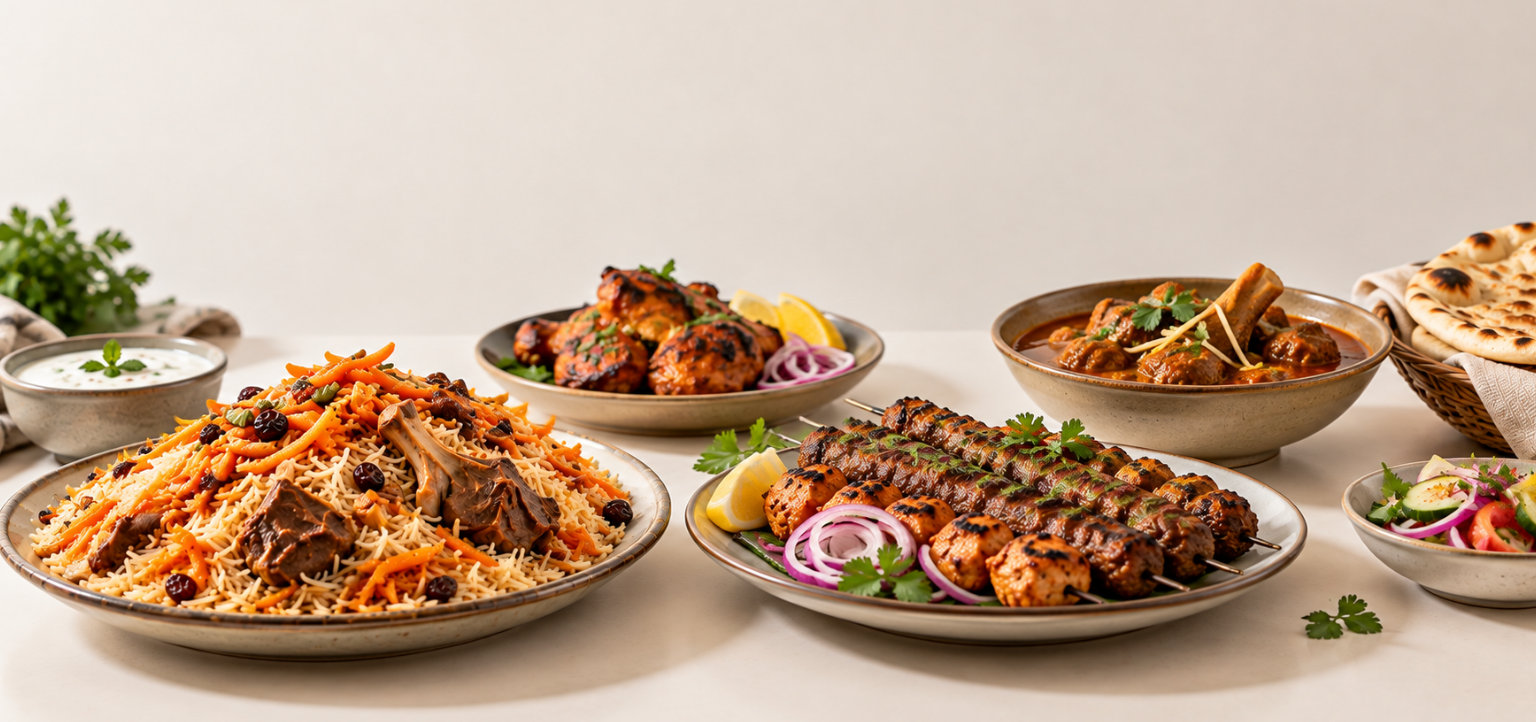
In real-world scenarios in Toronto, kabobs end up being the first taste for both Afghan and Pakistani foods, the easiest point of comparison because the preparation method is similar, but the marinades differ.
What Rice and Naan Dishes to Try in Toronto?
When rice is what you know well, Afghan and Pakistani cuisines offer two different ways to go.
Afghan dishes if you seek aromatic combinations
Qabuli rice can be considered a perfect choice.
For example, at Naan Kabob, you can find Qabli rice incorporated in many dishes and platters, such as the Qabli Lamb Shank and Afghan Bowl. Qabli rice is used with grilled meat and vegetables, sauces, and other Afghan side dishes.
An iconic combination is the following one:
Qabli rice + lamb + naan + salad
You will have a few different textures and tastes, but not relying on chili.
Pakistani rice dishes if you seek layered spice
In the case of Pakistani cuisine, you should try a few different styles of pulao and biryani dishes. Typically, biryani combines rice, meat, or vegetables with more layers of spices. Pulao is usually prepared and seasoned in a specific way.
What matters is that "rice dish" means not one single taste.
Even when two restaurants offer the same "pulao," their plates might differ from each other.
Choosing Afghan Cuisine Over Pakistani Cuisine (or Vice Versa) in Toronto: How To Do It?
First, consider the type of food that you want; do not think about the names of countries here.
You should opt for Afghan cuisine if you want to try out:
-
Charcoal-broiled kabobs
-
Aromatic rice
-
Naan bread
-
Plates with more meat content
-
Mantu
-
Yogurt-based sauces
-
Dry fruits and nuts as side dishes
-
Aromatic, not spicy food
Think about Pakistani cuisine if you are after:
-
Spicier dishes
-
Gravies
-
Karahi dishes
-
Biryani
-
Nihari
-
Seekh kabab
-
Chapli kabab
-
Spicier flavors of garlic, ginger, and tomato
There is still plenty of room left for cross-over cuisine.
A person who likes Afghan kababs can try Pakistani seekh kababs, while a person enjoying Pakistani pulao will definitely love Afghan Qabli Rice.
Are Afghan and Pakistani Cuisines Halal in Toronto
Both types of food are usually halal in Toronto, since the halal food practice is typical of all Afghan and Pakistani restaurants in the city.
However, being "commonly halal" does not mean that all restaurants are definitely halal. It is necessary to check it out with the restaurant before eating there; Naan Kabob, for instance, provides halal Afghan cuisine in its Toronto restaurants.
-
Look for halal labels or certificates in the restaurant
-
Ask the restaurant how it sources the meat
-
Do not take anything for granted
Common Mistakes While Comparing Afghan and Pakistani Cuisine
The main mistake is to think that the terms "Afghan" and "Pakistani" refer to the same South Asian cuisine.
❌Mistake 1: Thinking that Afghan cuisine is as spicy as Pakistani cuisine, not quite!
❌Mistake 2: Describing mantu as a kind of samosa; the cooking process is different (steaming versus frying), along with the accompaniments (yogurt versus chutney).
❌Mistake 3: Thinking that there is no difference between naan varieties; the Afghan variety is thicker and freshly baked in the oven.
❌Mistake 4: Not inquiring whether the food is halal since the cuisine is "usually" halal.
Where to Get Halal Afghan Food in Toronto
In case you are looking for a halal restaurant, Naan Kabob claims to provide halal meat and serve Afghan food at its various Toronto locations.
Naan Kabob’s current list of locations in Toronto includes
691 Yonge Street
62 Laird Drive
18 William Kitchen Road
while their website also mentions another restaurant located at 240 Queen Street West.
Please visit the official website for more up-to-date information on the restaurants’ locations.
When searching for “halal restaurant Toronto”, it would be a good idea to verify the latest information about the restaurant and its menu before heading out.
Some of the vegetarian items on the menu include paneer, bolanee, salads, and other vegetarian options.
Final Bites
Afghan and Pakistani cuisine will never cease to be related; similar transport routes, similar base products, and similar taste for a great kabob. However, once you get to know all of it well enough, the difference becomes very clear to see: cumin and dried fruits versus chili and masala, steamed mantu versus fried samosas, mild food versus bold food.
The only way to really see the difference is not by studying but by eating them side by side.
If you choose to try Afghan cuisine, Naan Kabob has got your back with its halal menu all across Toronto, featuring two restaurants that are tailored just for this September.
Find your nearest Naan Kabob location!
Frequently Asked Questions
1. How do Afghan and Pakistani cuisines differ?
Afghan cuisine is milder and is based on cumin, coriander, and dried fruits, whereas Pakistani cuisine is spicier and is based on complex masala and chilies.
2. Is mantu the same as samosa?
No. The former is steamed and has a yogurt topping, while the latter is fried and served with chutney.
3. Is the Afghan cuisine halal in Toronto?
The majority of Afghan restaurants in Toronto, such as Naan Kabob, offer halal cuisine.
4. Which dish is worth trying first in Afghan cuisine in 2026?
Mantu and qabuli rice are two dishes that would be easiest to start with because of the milder spices used in Afghan cuisine and their easy availability at Toronto restaurants like Naan Kabob.